10 Best Day Trips from Rouen During the Armada 2027
The Armada is 10 days long — that's plenty of time to explore Normandy beyond the quays. From Monet's water lilies to the D-Day beaches and the fairy-tale Mont-Saint-Michel, here are the best day trips from Rouen for Armada 2027 visitors.
- 1. Giverny — Monet's Gardens
- 2. Étretat — The White Cliffs
- 3. Honfleur — Postcard Harbour
- 4. Mont-Saint-Michel — The Marvel
- 5. D-Day Landing Beaches
- 6. Bayeux — The Tapestry
- 7. Jumièges Abbey — Sacred Ruins
- 8. Dieppe — Seaside & History
- 9. Le Havre — UNESCO Architecture
- 10. Lyons-la-Forêt — Normandy Village
Rouen is perfectly positioned as a base for exploring Normandy. The city sits at the centre of the region with excellent train connections, motorway access, and manageable driving distances to most major attractions. During the 10-day Armada festival (17–27 June 2027), you can easily spend mornings on the quays admiring the tall ships and afternoons discovering the rest of Normandy.
Below, we've ranked the best day trips by practical considerations: travel time from Rouen, accessibility by train vs car, and how well they complement the Armada schedule.
1. 🎨 Giverny — Monet's Gardens
Distance: 70 km (1h drive) · By train: Rouen → Vernon (25 min), then shuttle bus (15 min) · Best for: Art lovers, photographers, garden enthusiasts
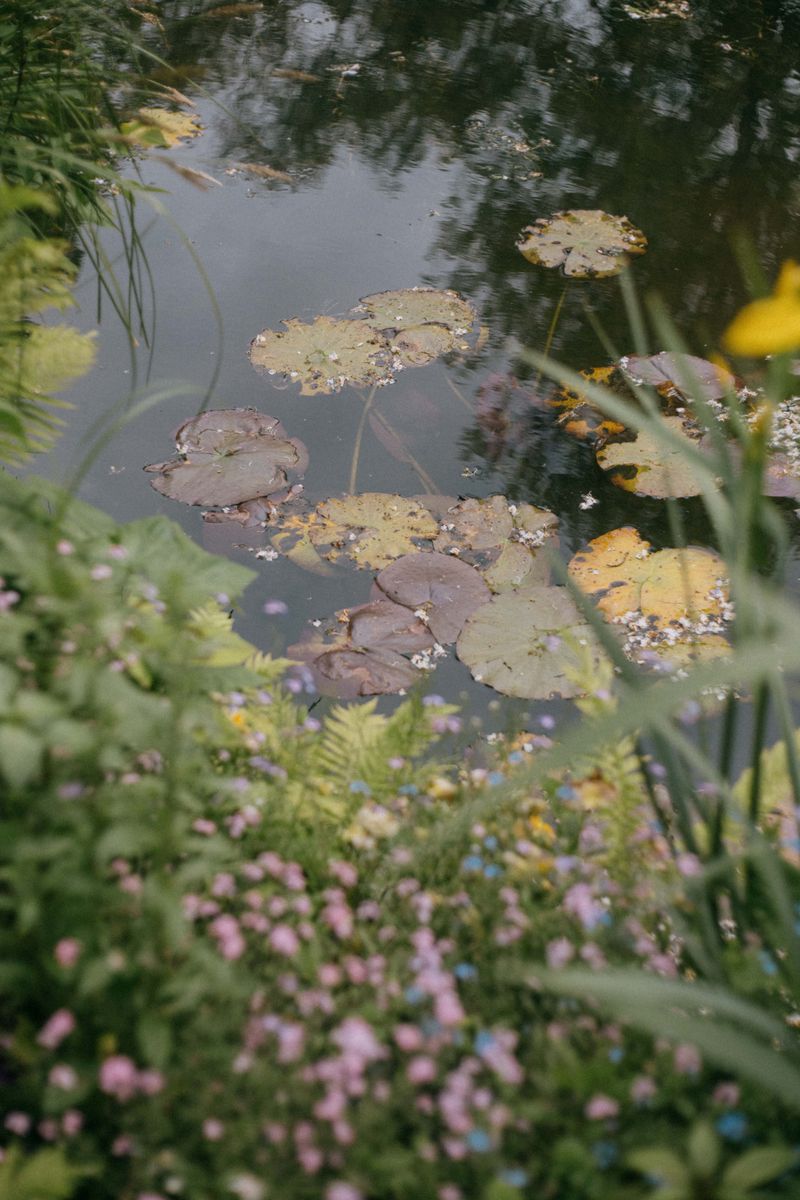
Claude Monet lived and painted in Giverny from 1883 until his death in 1926 — exactly 41 years, and his house and gardens have been perfectly preserved as a living museum. The water lily pond, the Japanese bridge, and the famous pink house with its green shutters look exactly as they did when Monet painted his Nymphéas series here.
The gardens bloom spectacularly in June, making this an ideal Armada-side trip. Allow at least three hours to explore the house, the Clos Normand flower garden, and the water garden. The Musée des Impressionnismes next door hosts excellent temporary exhibitions, and the village itself has charming cafés for lunch.
Practical tip: Giverny opens from 1 April to 1 November. Arrive before 10:00 to beat the crowds — it's one of Normandy's most visited sites with over 600,000 annual visitors. See our full Rouen to Giverny guide for detailed transport options.
2. 🏔️ Étretat — The White Cliffs
Distance: 85 km (1h10 drive) · By train/bus: Rouen → Le Havre (45 min), then bus (40 min) · Best for: Hikers, photographers, nature lovers
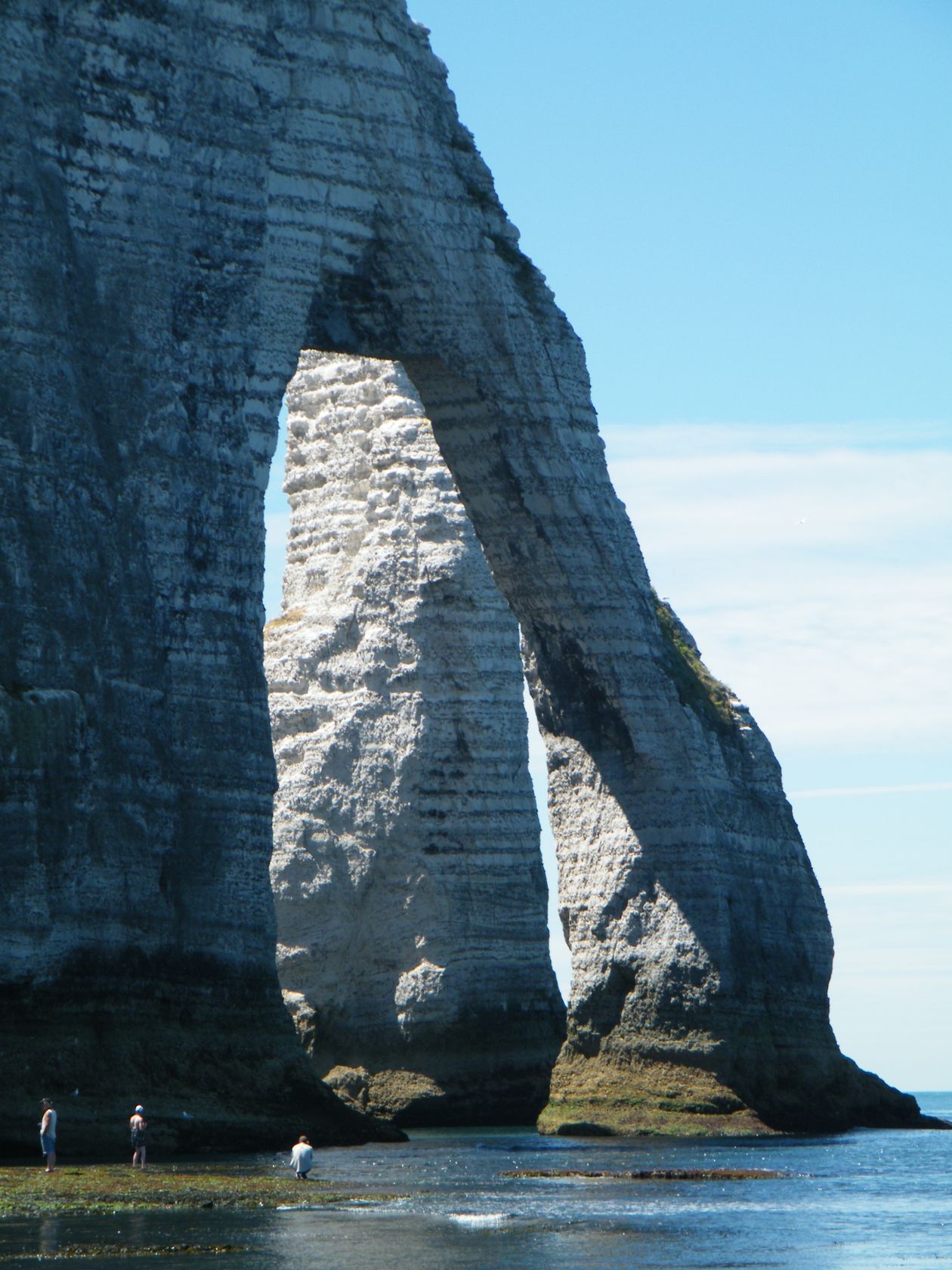
The chalk cliffs of Étretat are among the most dramatic coastal landscapes in Europe. The natural arches — Porte d'Aval, Porte d'Amont, and the Manneporte — rise directly from the English Channel, shaped by centuries of wind and tide. Monet painted them dozens of times; Arsène Lupin hid treasure in the famous Aiguille Creuse (Hollow Needle).
The cliff-top hike from the Falaise d'Aval to the Falaise d'Amont takes about 1.5 hours return and offers breathtaking panoramic views. The Jardins d'Étretat, a cliff-edge contemporary art garden, combines sculpture, landscaping, and those impossible views. Entry is ticketed (€12 adults), worth it for the perspective alone.
Practical tip: Check the tide tables before you go — at low tide you can walk around the base of the cliffs and through the Porte d'Aval arch. Wear proper walking shoes; the climbs are steep. For a deeper dive, see our Étretat guide.
3. ⚓ Honfleur — Postcard Harbour
Distance: 70 km (1h drive) · By train/bus: Rouen → Le Havre (45 min), then bus (30 min) · Best for: Art lovers, foodies, leisurely strollers
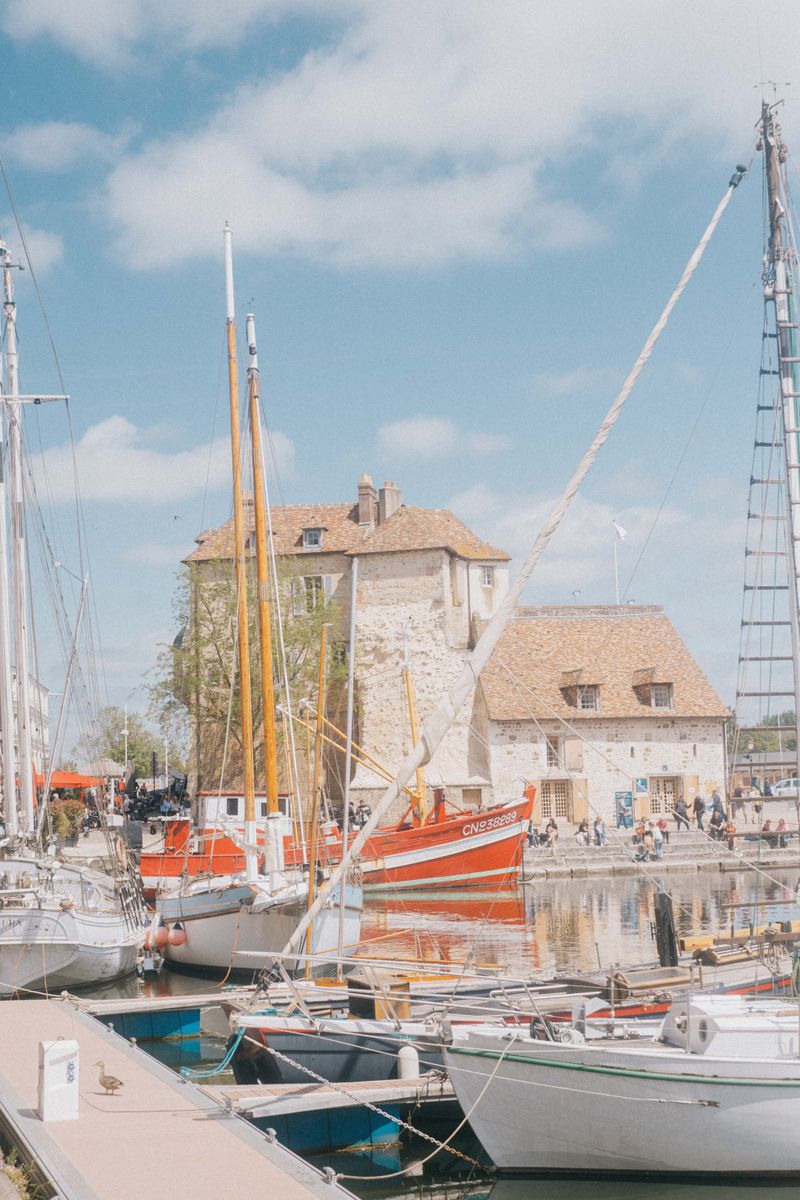
Honfleur is arguably Normandy's most photogenic town. Its Vieux-Bassin (Old Harbour) is lined with impossibly tall, narrow houses covered in slate — a silhouette that has captivated painters from Eugène Boudin to contemporary artists. The wooden Église Sainte-Catherine, built by naval carpenters in the 15th century, is the largest wooden church in France and a fascinating architectural anomaly.
Art lovers should visit the Musée Eugène Boudin, which holds an extensive collection of works by the pioneering plein-air painter born here. Food-wise, Honfleur is famous for its seafood — the harbour-side restaurants serve excellent moules-frites, fresh oysters, and sole meunière. The Saturday morning market on Place de la Lieutenance is one of the best in Normandy.
Practical tip: Combine Honfleur with a morning at the Armada — drive over after lunch and enjoy the harbour sunset. See our Honfleur guide for restaurant recommendations.
4. 🏰 Mont-Saint-Michel — The Marvel
Distance: 210 km (2h40 drive) · By train: Rouen → Rennes (2h), then shuttle bus (1h) · Best for: First-time visitors to Normandy, history buffs, photographers
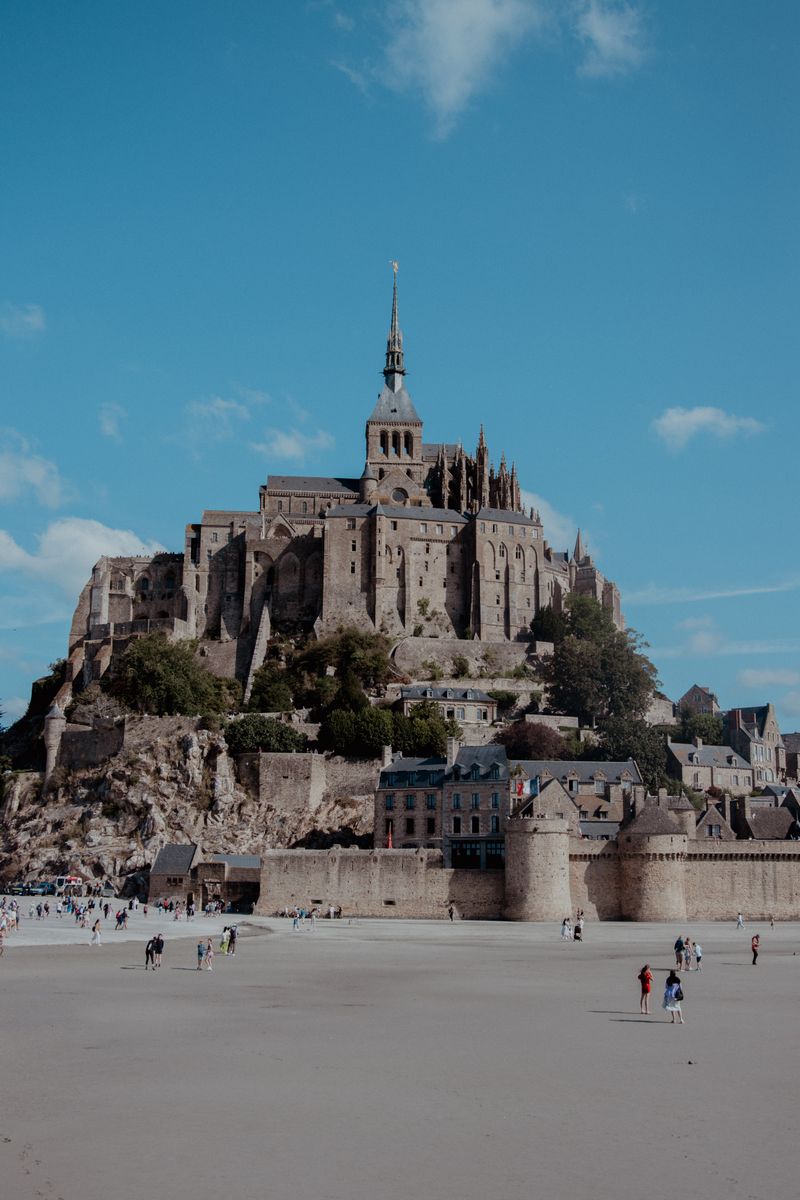
The Mont-Saint-Michel is the Eiffel Tower of Normandy — France's most visited monument outside Paris, and for excellent reason. This medieval abbey perched on a rocky tidal island rises dramatically from the bay, surrounded by the highest tides in Europe (up to 15 metres). The abbey itself is a masterpiece of Gothic architecture, with its cloister, refectory, and Knights' Hall evoking centuries of pilgrimage history.
A day trip from Rouen is entirely feasible but requires an early start. Aim to arrive by 10:00 to climb the ramparts and tour the abbey before the midday crowds. The village lanes are narrow and steep — wear comfortable shoes. The bay walks (guided only, due to quicksand risks) are a unique experience if you have time.
Practical tip: The shuttle bus from the mainland car park to the mount is free. Alternatively, walk the 30-minute path across the bay at low tide (check tide times at the information centre).
5. 🕊️ D-Day Landing Beaches
Distance: 150 km to Omaha Beach (2h drive) · Best for: History enthusiasts, WWII pilgrims
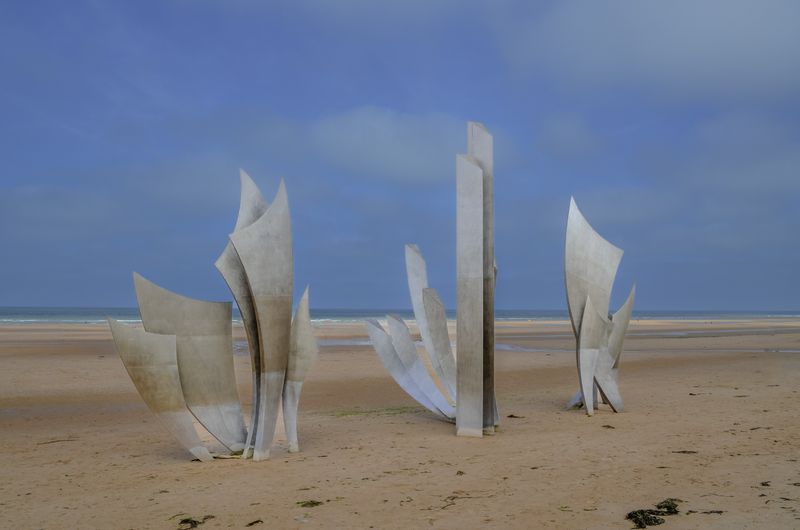
The Normandy landing beaches are a profoundly moving day trip from Rouen. On 6 June 1944, Allied forces landed on five beaches — Utah, Omaha, Gold, Juno, and Sword — in the largest amphibious invasion in history. Today, museums, cemeteries, and memorials dot the coastline from Sainte-Mère-Église to Ouistreham.
Key stops for a day trip:
- Omaha Beach and the American Cemetery at Colleville-sur-Mer (9,387 white crosses overlooking the beach)
- Pointe du Hoc — cratered landscape from US Army Ranger assault
- Utah Beach — with its excellent Musée du Débarquement
- Arromanches — remains of the Mulberry artificial harbour at Gold Beach
- Caen Memorial Museum — the definitive WWII museum in Normandy
This trip is best done by car or a guided tour. Many tour operators offer pickups from Rouen. Allow a full day (8–9 hours) to do it properly.
6. 🧵 Bayeux — The Tapestry
Distance: 135 km (1h30 drive) · By train: Rouen → Bayeux (1h30 direct TER) · Best for: History lovers, art enthusiasts, tapestry fans
Bayeux is home to one of the most extraordinary artefacts in European history: the Bayeux Tapestry. This 70-metre-long embroidered cloth recounts the Norman Conquest of England in 1066, culminating in the Battle of Hastings. Despite its name, it's actually an embroidery — and it's nearly 1,000 years old.
The tapestry is displayed in its own museum (the Musée de la Tapisserie de Bayeux) with an excellent audio guide. Beyond the tapestry, Bayeux itself is a gem: its cathedral is a masterpiece of Norman Gothic architecture, and the town centre survived WWII virtually unscathed (it was the first French town liberated on 7 June 1944).
Practical tip: The train from Rouen is direct and comfortable — no car needed. Bayeux is also the closest town to the D-Day beaches, so you could combine both in a long day if you have a car.
7. ⛪ Jumièges Abbey — Sacred Ruins
Distance: 35 km (35 min drive) · By bus: Rouen → Jumièges line (1h) · Best for: Photographers, couples, peaceful escapes
If you want a half-day trip that feels a world away from the Armada crowds, Jumièges Abbey is your answer. The ruins of this Benedictine abbey — destroyed during the French Revolution — stand roofless in a loop of the Seine, their towering white stone walls open to the sky. It's often called "the most beautiful ruins in France."
The site is compact enough to explore in 90 minutes, leaving time for a picnic by the Seine or a visit to the nearby village of Jumièges. The drive from Rouen follows the scenic Route des Abbayes along the Seine valley — itself worth the trip.
Practical tip: Combine this with a stop at Saint-Martin-de-Boscherville Abbey (15 min south) for a mini abbey tour of the Seine valley. Entry to Jumièges is €7.50 (2026 prices).
8. 🌊 Dieppe — Seaside & History
Distance: 65 km (1h drive) · By train: Rouen → Dieppe (50 min direct) · Best for: Beach lovers, market shoppers, history buffs
Dieppe is the closest seaside town to Rouen — a pebble beach, a dramatic clifftop castle, and one of the best food markets in Normandy. The Saturday market on the Grande Rue is a sensory overload: fresh seafood, local cheeses (Neufchâtel, Livarot), cider, and produce from the Pays de Caux.
The town is also significant for WWII history: the 1942 Dieppe Raid (Operation Jubilee) was a disastrous but instructive precursor to D-Day. The Dieppe Castle Museum covers both the raid and the town's maritime history, with stunning views from the ramparts.
Practical tip: The train from Rouen-Rive-Droite is direct and runs roughly hourly. It's the easiest beach day trip from Rouen by public transport — perfect for a rest day between Armada visits.
9. 🏗️ Le Havre — UNESCO Architecture
Distance: 87 km (1h drive) · By train: Rouen → Le Havre (45 min direct) · Best for: Architecture fans, modern art lovers, contrast seekers
Almost completely destroyed by WWII bombing, Le Havre was rebuilt by architect Auguste Perret in concrete — and his post-war plan earned the city a UNESCO World Heritage designation. The result is a fascinating contrast to Rouen's medieval aesthetic: wide avenues, symmetrical blocks, and buildings that aged better than critics predicted.
The star attraction is Le MuMa — Musée d'Art Moderne André Malraux, which holds France's largest Impressionist collection after the Musée d'Orsay. With 200+ works by Monet, Renoir, Pissarro, Degas, and others, it's a world-class museum that's rarely crowded. The building itself, with floor-to-ceiling windows overlooking the Channel, is a work of art.
Practical tip: The train from Rouen is fast and frequent — under an hour each way. Combine with Honfleur by taking the bus from Le Havre (30 min).
10. 🌳 Lyons-la-Forêt — Quintessential Normandy Village
Distance: 45 km (45 min drive) · Best for: Peace seekers, village lovers, foodies
Lyons-la-Forêt is regularly voted one of the most beautiful villages in France — and it lives up to the billing. Half-timbered houses cluster around a covered market square, and the surrounding Forêt de Lyons is the largest beech forest in Europe. The village inspired Maurice Ravel, who composed his Piano Concerto in G while staying here.
The covered market (halles) is a perfect photo stop, and several excellent restaurants serve traditional Norman cuisine. Try the canard à la rouennaise or local apple tart. The forest has marked walking trails for all levels.
Practical tip: This works best by car. Combine with Jumièges Abbey for a perfect Seine Valley day. The village is small — 2–3 hours is plenty, perfect for a half-day escape.
🗺️ At a Glance: Quick Comparison
📊 Day Trip Comparison Table
| Destination | Drive Time | Train? | Best For |
| Giverny | 1h | ✅ 25 min to Vernon | Art, gardens |
| Étretat | 1h10 | ⚠️ via Le Havre | Cliffs, hiking |
| Honfleur | 1h | ⚠️ via Le Havre | Harbour, food |
| Mont-Saint-Michel | 2h40 | ⚠️ via Rennes | Iconic landmark |
| D-Day Beaches | 2h | ❌ Car or tour | History, WWII |
| Bayeux | 1h30 | ✅ 1h30 direct | Tapestry, history |
| Jumièges | 35 min | ⚠️ Bus | Ruins, photos |
| Dieppe | 1h | ✅ 50 min direct | Beach, market |
| Le Havre | 1h | ✅ 45 min direct | Architecture, art |
| Lyons-la-Forêt | 45 min | ❌ Car only | Village, forest |
🚆 How to Get Around Without a Car
Rouen's Gare de Rouen-Rive-Droite is the region's main rail hub, with frequent TER (regional) trains serving most destinations on this list. You can reach Bayeux, Dieppe, and Le Havre directly by train, and Giverny via Vernon (25 min). For Honfleur and Étretat, take the train to Le Havre and connect by bus.
For destinations without good rail access — the D-Day beaches, Mont-Saint-Michel, Lyons-la-Forêt — consider:
- Car rental: Several agencies near Rouen station. See our car rental guide.
- Organised tours: Full-day guided excursions from Rouen. See our tours page.
- Blablacar / ride-sharing: Active in Normandy; useful for popular routes.
🏨 Where to Stay in Rouen
To make the most of these day trips, you'll want a comfortable base in Rouen. Hotels fill up quickly for Armada week — we recommend booking before the end of 2026. See our curated picks:
- Best hotels in Rouen — from budget to luxury
- Apartments & holiday rentals — ideal for longer stays
- Where to stay guide — which neighbourhood for which traveller
For more things to do in between day trips, see our things to do in Rouen guide and our recommendations for where to eat in Rouen.
Sources: Normandy Tourism (normandie-tourisme.fr), individual destination websites, SNCF train schedules (ter.sncf.com). All information correct as of August 2026 but subject to change. Always check opening hours and ticket availability before travelling.
📚 Related guides
Photo credits: Featured images from Pexels (free stock photography), used under the Pexels License. © 2026 Armada Rouen Visitor Guide.