Sous la Pluie Exhibition in Rouen — Why You Must See This Rain-Themed Art Show Before It Ends
Rain is usually something tourists dread on holiday. But at Rouen's Musée des Beaux-Arts, a major exhibition turns bad weather into art — featuring 150 works from Caillebotte, Monet, Doisneau, and more. It's one of the most original cultural experiences in France this summer, and it runs until 20 September 2026.

- 🌧️ What is Sous la Pluie?
- 🎨 Artists and works you'll see
- 📖 The exhibition in three sequences
- 🔬 The scientific companion at Pavillon des Transitions
- 📍 Practical information — prices, hours, how to get there
- 💰 The rainy Wednesday deal (yes, really)
- 💡 Visitor tips for the best experience
- 🗺️ How to combine it with the Armada 2027
Let's be honest: Normandy has a reputation for rain. It's part of the region's charm — those soft grey skies that make the green pastures so vivid, the cliffs of Étretat so moody, and the half-timbered houses of Rouen's old town feel like a Victor Hugo novel.
But instead of pretending otherwise, the Musée des Beaux-Arts de Rouen has done something brilliantly French: it turned rain into the star of one of the most ambitious exhibitions of the year. Sous la Pluie, peindre, vivre et rêver (Under the Rain: Painting, Living, and Dreaming) brings together 150 masterworks from the late 18th century to the present day, all united by that most elusive of subjects — rain itself.
Running from 11 April to 20 September 2026, the exhibition has been drawing crowds all summer — and for good reason. It's thought-provoking, beautiful, and surprisingly fun. Here's why you should make time for it on your next visit to Rouen.
Works on display — paintings, photos, prints
Full price entry (free for under-26s)
Venues: Musée des Beaux-Arts + Pavillon des Transitions
Last day — don't miss it
🌧️ What Is Sous la Pluie?
The title translates to "Under the Rain: Painting, Living, and Dreaming", and the exhibition is exactly that: a meditation on how artists have depicted rain across two centuries. Curated in partnership with the Musée des Beaux-Arts de Nantes, the University of Rouen Normandie, and Météo France, it's both an art exhibition and a scientific exploration of one of the most universal human experiences.
The question that drives the show is deceptively simple: how do you paint something that has no shape? Rain is formless, ever-changing, and transient — yet artists from the Romantics to the Impressionists to contemporary photographers have found endlessly creative ways to capture it.
The exhibition unfolds across three thematic sequences (more on those below), and culminates in an immersive sensory room where projected rain scenes from cinema, accompanied by sound and even scent, surround you completely. Children have their own adapted trail with interactive stations, nursery rhymes, and step-stools to reach the paintings at eye level.
🎨 Artists and Works You'll See
The exhibition reads like a who's who of modern art. Among the 150 works on display, you'll find:
- 🖼️Gustave Caillebotte — Rue de Paris, temps de pluie (1877), the famous view of a rainy Paris intersection that every art history textbook uses to define urban Impressionism
- 🖼️Claude Monet — Normandy's own Impressionist master, with works that capture the shifting light and damp atmosphere of the region he called home
- 🖼️Gustave Courbet — Rue de Paris, Marine (La Trombe) (1866), a dramatic seascape that seems to pull the viewer into the storm
- 🖼️Robert Doisneau — the iconic photograph Maurice Baquet, Le violoncelle sous la pluie (Paris, 1957), showing the cellist walking in the rain, his instrument sheltered under his arm
- 🖼️Camille Pissarro — scenes of Rouen's industrial port under grey skies, painted during the artist's five stays in the city
- 🖼️James Tissot, David Hockney, Eugène Boudin, Cappiello — spanning Impressionism, modernism, and contemporary art
- 🖼️Japanese ukiyo-e prints by artists like Eishi Hosoda, whose woodblock prints influenced the Impressionists' approach to rain and weather
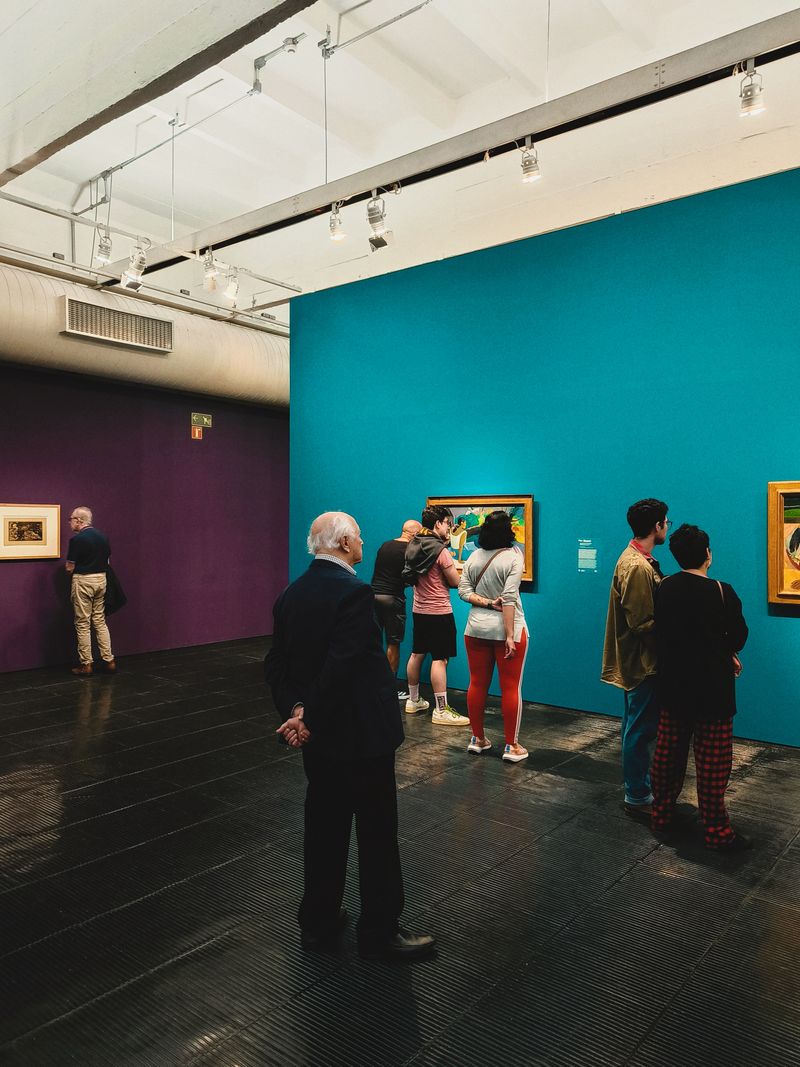
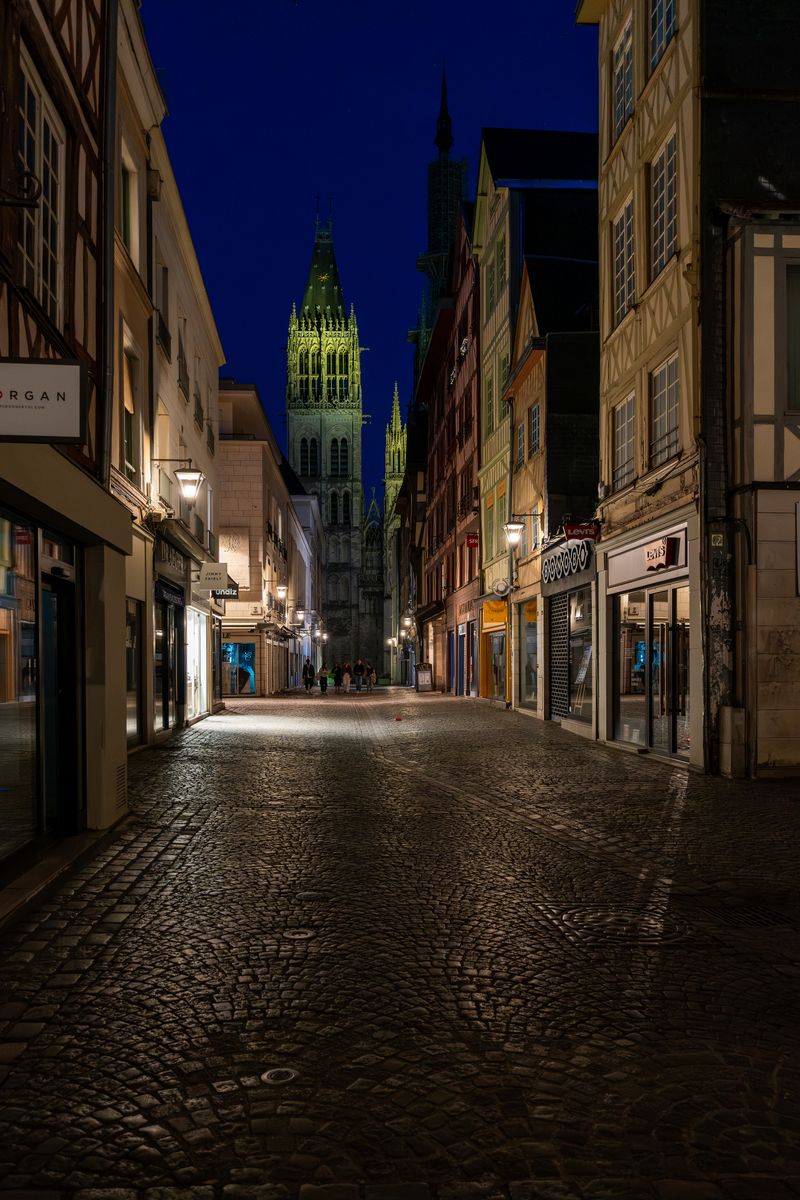
📖 The Exhibition in Three Sequences
The curators have divided the show into three thematic chapters, each offering a different perspective on rain:
1. The Artist Facing the Rain
This opening sequence traces how rain gradually appeared as a subject in Western art. Before the 19th century, bad weather was almost absent from painting — it was considered an obstacle to beauty. The Romantics changed that, finding drama and emotion in storms and showers. The arrival of Japanese ukiyo-e prints in Europe (with their elegant diagonal rain lines and umbrellas) gave artists a new visual vocabulary. By the time the Impressionists set up their easels outdoors, rain had become a legitimate — even compelling — artistic subject.
2. Living with the Rain
The second section turns to social history. The 19th century saw the invention of the modern umbrella and waterproof clothing, transforming how people moved through rainy cities. Artists seized on these new accessories as motifs of modern life: the black umbrellas of Parisian boulevards, the slick cobblestones reflecting gaslight, the silhouette of a lone figure hunched against a downpour. You'll see how rain reshaped urban behaviour and how painters documented that shift with fascination.
3. The City Under the Rain
The final sequence is pure poetry. Here, rain becomes a vehicle for mood — loneliness, romance, melancholy, wonder. Photographers like Doisneau and contemporary artists explore the reflections, the distorted lights, the way a rainy city becomes a dreamlike version of itself. This section includes the immersive cinema room where you can sit and watch some of the most beautiful rain scenes ever filmed, from classic French cinema to modern blockbusters.
🔬 The Scientific Companion at Pavillon des Transitions
Your ticket also gives you access to a second venue: the Pavillon des Transitions, located on the banks of the Seine at Quai de Boisguilbert. Here, the exhibition takes a scientific turn — think maquettes, interactive displays, a sandbox for understanding watersheds, and immersive video installations about the water cycle.
Developed in partnership with the University of Rouen Normandie and Météo France, this companion exhibition answers questions like: How does rain form? Why does it smell different before and after a storm? What is the role of rain in regulating the planet's climate?
The Pavillon des Transitions is free to enter and open daily 10:00–18:00 (11:00–19:00 in July and August). It's a short walk from the Musée des Beaux-Arts along the river — a pleasant stroll through Rouen's historic centre.
📍 Practical Information
| Category | Details |
|---|---|
| Venue | Musée des Beaux-Arts de Rouen Esplanade Marcel Duchamp, 76000 Rouen |
| Dates | 11 April – 20 September 2026 |
| Hours | 10:00–18:00 daily (closed Tuesdays) |
| Full price | 9 € |
| Reduced price | 7 € (students, seniors, groups) |
| Free entry | Under 26 years old |
| Guided visits | Saturdays & Sundays at 15:00 (July–August) — 14 € adult / 5 € under 18 |
| Metro | Palais de Justice (line) |
| Bus | F2, F7, 11, 15, 22 |
| Phone | 02 35 71 28 40 |
📍 Second venue — Pavillon des Transitions
Address: Quai de Boisguilbert, 76000 Rouen
Hours: Daily 10:00–18:00 (11:00–19:00 Jul–Aug) · Closed Tuesdays
Free entry — no ticket required for this part
Getting there: TEOR arrêt Pasteur (T1, T2, T3) or a 12-minute walk along the Seine from the Musée des Beaux-Arts
💰 The Rainy Wednesday Deal (Yes, Really)
This is the kind of detail that makes French museum curators legends. On Wednesday afternoons, if it is actually raining, the museum offers a reduced entry price for everyone — rain check, literally.
There's no official name for it, but the logic is perfect: if the weather is bad, come celebrate it indoors with art about rain. Check the forecast, grab your umbrella, and head to the museum. It's the most Normandy thing you can do this summer.
💡 Visitor Tips for the Best Experience
- Allow 2–3 hours total: The main exhibition at the Musée des Beaux-Arts takes about 1.5 hours to go through properly. Add another hour if you visit the Pavillon des Transitions.
- Book ahead for guided tours: The guided visits fill up quickly on weekends. Reserve online via visiterouen.com.
- Combine with the Cathédrale de Lumière: The museum is a 10-minute walk from the cathedral. Start with the exhibition in the late afternoon, grab dinner in the old town, then walk to the cathedral square for the free light show at 10:00 pm. See our Cathédrale de Lumière guide for the full schedule.
- Check the weather page: Rouen's weather can change quickly. Our August weather guide and September weather guide will help you plan.
- Bring a raincoat anyway: You're in Normandy. The exhibition will make you appreciate it.
- Free for under-26s: If you're travelling with students or young adults, entry costs nothing for them — a huge saving for families.
🗺️ How to Combine It with the Armada 2027
The Sous la Pluie exhibition ends on 20 September 2026 — well before the Armada begins on 17 June 2027. But that doesn't mean you should wait. Here's why a visit this summer makes sense:
- Preview Rouen before the crowds: The Armada brings 6+ million visitors to Rouen. Visiting now (summer 2026) lets you explore the city at a relaxed pace, see this unique exhibition, and get familiar with the layout before next year's festival.
- Save money: Hotels are significantly cheaper outside Armada weeks. Check our best hotels guide for 2026 summer deals.
- Plan your Armada itinerary: Once you've seen the Musée des Beaux-Arts, the Cathédrale de Lumière, and the old town, you'll know exactly where to take visiting friends and family during the Armada.
- The exhibition connects to the Armada: Many of the artists featured — Boudin, Monet, Pissarro — painted the Seine and the port of Rouen. The river that will carry the tall ships in 2027 is the same one that appears in these paintings. It adds a layer of meaning to both experiences.
For more things to do in Rouen, see our full guide to Rouen attractions. And if you need accommodation tips, our where to stay guide covers everything from budget hostels to boutique hotels.
🎯 Quick summary — what you need to know
- What: Sous la Pluie, peindre, vivre et rêver — major art exhibition about rain
- Where: Musée des Beaux-Arts de Rouen (+ Pavillon des Transitions)
- When: 11 April – 20 September 2026 (open daily except Tuesdays, 10:00–18:00)
- Cost: 9 € full price / 7 € reduced / free for under-26s
- Bonus: Reduced entry on rainy Wednesday afternoons
- 150 works — Caillebotte, Monet, Doisneau, Courbet, Pissarro, Hockney, and more
- Don't miss: The immersive cinema room and the scientific companion at Pavillon des Transitions (free)
Sources: Musée des Beaux-Arts de Rouen official exhibition page (mbarouen.fr); Rouen Tourism — "Sous la Pluie" exhibition guide (visiterouen.com); Normandie Tourisme agenda. All information checked as of 9 August 2026. Times and prices subject to change — verify with the museum before your visit.
📚 Related guides
- Things to do in Rouen — full guide
- Cathédrale de Lumière 2026 — complete guide
- Monet & Rouen Cathedral — the paintings
- Rouen weather in August — what to expect
- Rouen weather in September — what to expect
- Normandy food specialities — what to eat in Rouen
- Best restaurants in Rouen
- Best hotels in Rouen
- Plan your visit — complete trip planner
- Armada 2027 — main guide
Planning a trip to Rouen? Get the free Armada 2027 guide and seasonal updates straight to your inbox. Sign up for free →
Photo credits: Rainy cobblestone street with yellow umbrella by uğur art / Pexels. Art gallery visitors by Andre Moura / Pexels. Evening view of Rouen Cathedral by Rino Adamo / Pexels. All used under the Pexels License. © 2026 Armada Rouen Visitor Guide.